Soilless Soil for Plants: A Modern Way to Grow Green
For centuries, gardeners have depended on natural soil to cultivate crops and ornamental plants. Yet, as urban spaces tighten and environmental challenges rise, a quiet revolution is taking place — the rise of soilless soil. This innovative growing medium is changing how plants are nurtured, offering consistent growth, efficient resource use, and cleaner cultivation methods.
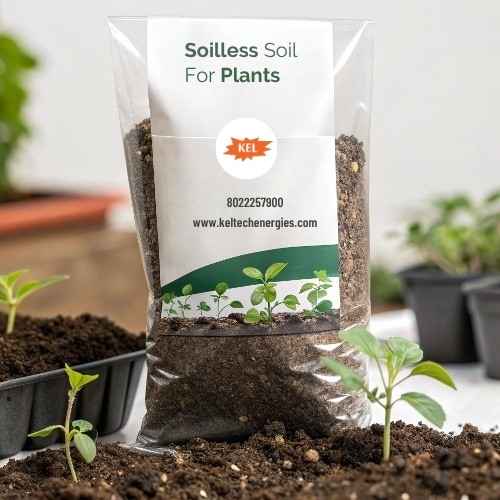
Soilless soil, despite its name, is not about eliminating soil entirely but about replacing traditional earth with carefully balanced substrates. These mediums are engineered to provide the same support, aeration, and nutrition plants require, without the limitations of regular ground soil. Materials such as coco peat, perlite, vermiculite, and peat moss create a light, porous mix that enhances oxygen flow and root development.
Why Soilless Soil is Becoming the Preferred Choice
The shift toward soilless mediums is more than a trend; it’s an answer to some of the biggest challenges in modern agriculture. Conventional soil can harbor pathogens, retain excess water, and vary widely in quality. Soilless mixtures, on the other hand, are uniform, sterile, and easy to manage. Gardeners and commercial growers can precisely control the nutrient supply, ensuring every plant receives what it needs for optimal health.
Moreover, in areas where land is contaminated, infertile, or unavailable, soilless systems allow cultivation without dependence on local soil conditions. From rooftop gardens to hydroponic farms, this method supports food production in places where it was once impossible.
Better Root Health and Faster Growth
Roots thrive when they have easy access to both air and moisture. Traditional soil often compacts over time, restricting airflow and trapping water around the roots. Soilless soil keeps the structure loose and breathable, allowing the roots to expand freely. The result is stronger stems, greener leaves, and quicker flowering or fruiting cycles.
In addition, the absence of soil-borne pests and weeds reduces the need for chemical pesticides. This creates a cleaner environment for plant growth and leads to healthier produce that’s safer for consumption.
Environmentally Friendly and Resource-Efficient
Sustainability lies at the heart of soilless cultivation. Water use is significantly lower compared to traditional gardening because the materials retain moisture effectively while minimizing runoff. Nutrients are delivered in controlled quantities, preventing wastage and pollution of nearby ecosystems.
Many soilless materials, like coco peat, are derived from renewable sources. Coco peat, for example, is a byproduct of the coconut industry — once discarded as waste but now recognized as a valuable horticultural resource. By using such materials, gardeners contribute to a circular economy while reducing environmental pressure.
Ideal for Urban and Indoor Gardening
As cities expand, the availability of fertile land continues to shrink. Soilless growing mediums open new doors for urban dwellers who want to cultivate fresh greens or decorative plants in limited spaces. Balcony planters, vertical gardens, and hydroponic systems all benefit from lightweight, clean, and odor-free substrates.
Unlike natural soil, which can be heavy and messy, soilless soil is easy to handle and transport. It’s perfect for home gardeners who prefer low-maintenance setups. Whether growing herbs on a kitchen shelf or nurturing ornamental plants in an apartment balcony, soilless soil provides an adaptable foundation for creativity and sustainability.
Nutrient Control and Customization
Another distinct advantage of soilless systems is precision nutrition. In traditional soil, nutrients can get locked up or depleted unevenly, making it difficult to predict plant performance. Soilless media allow growers to manage nutrient solutions directly, adjusting the composition as plants progress through different stages of growth.
This level of control ensures consistent results, whether cultivating flowering plants, leafy vegetables, or fruit-bearing crops. It also supports experimentation — enabling gardeners to fine-tune their nutrient recipes and achieve superior yields compared to conventional soil-based methods.
Reducing Disease Risks
Soil can harbor fungi, nematodes, and bacteria that attack plant roots. Once infested, such problems are difficult to eradicate without chemical treatments. Soilless media eliminate these concerns by starting sterile and remaining clean throughout use when handled properly.
This minimizes the likelihood of disease spread, allowing plants to grow stronger with minimal intervention. For commercial growers, this translates to reduced costs and fewer losses. For home gardeners, it means peace of mind and consistently healthy plants.
The Role of Innovation and Quality in Soilless Solutions
Creating the perfect soilless soil blend involves scientific precision. The right combination must balance aeration, water retention, and nutrient-holding capacity. Advanced horticultural research continues to refine these mixes for different crop types and climates.
Brands like Keltech Energies have been instrumental in developing eco-smart growing mediums that deliver high performance while being environmentally responsible. Their innovations in lightweight substrates and sustainable materials are helping shape a future where agriculture coexists with ecological balance.
The Future of Growing Green
As global populations grow and arable land decreases, sustainable cultivation methods are no longer optional — they’re essential. Soilless soil represents the next step in agricultural evolution, merging technology with nature to create efficient, clean, and scalable systems for plant growth.
From commercial greenhouses to small home gardens, the adoption of soilless growing mediums is accelerating worldwide. Whether for hobbyists or professionals, it provides a pathway toward greener spaces, healthier crops, and a more sustainable planet.
In the years to come, innovation will continue to refine this approach, making it even more accessible and effective. By embracing soilless soil today, gardeners contribute to a future where every plant, no matter where it grows, thrives in harmony with the environment.